The city
1968 and 1989: the Prague Spring, the tanks and the Velvet Revolution
Tony Denesa – Travel Advisor10 min read
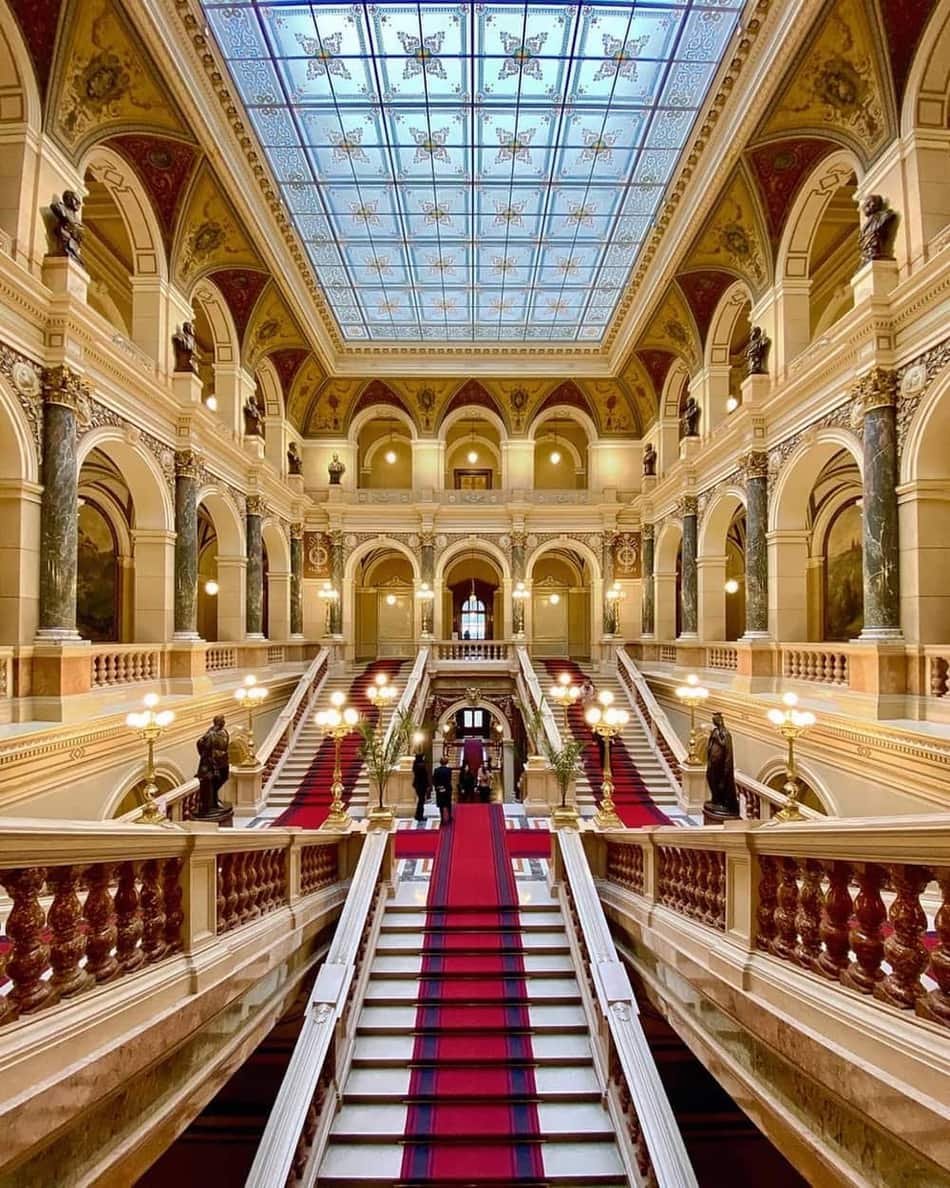
Two years define modern Czech history, and both played out in the streets of Prague that visitors walk every day. In 1968, a hopeful experiment in freedom ended under Soviet tanks. In 1989, the regime those tanks had restored collapsed in a peaceful revolution. For the wider story of the communist era, see communism in Prague; this page follows the two turning points and the places where you can still feel them.
The Prague Spring
By the 1960s, twenty years of Stalinist rule had left Czechoslovakia economically stagnant and culturally stifled. In January 1968, the Communist Party chose a new leader, the Slovak Alexander Dubček. What followed became known as the Prague Spring: censorship was lifted, newspapers and television debated openly, travel became easier, and the party promised "socialism with a human face".
For a few months, Prague was one of the most exciting places in Europe. Writers, students and workers argued in cafés and public meetings. Theatres staged plays that had been banned. People believed the system could be reformed from within.
The invasion of 21 August
Moscow saw the reforms as a threat. On the night of 20–21 August 1968, armies of the Warsaw Pact — the Soviet Union, Poland, Hungary and Bulgaria, with East German support — invaded Czechoslovakia with hundreds of thousands of soldiers and thousands of tanks.
The people of Prague resisted without weapons. They removed street signs so the invaders could not find their way, argued with bewildered young soldiers, painted slogans and gathered around the tanks on Wenceslas Square, where the façade of the National Museum was raked with gunfire. Radio journalists kept broadcasting from hidden studios. Dozens of civilians were killed across the country.
Dubček and the leadership were taken to Moscow and forced to sign away the reforms.
Jan Palach
On 16 January 1969, a 20-year-old philosophy student, Jan Palach, set himself on fire at the top of Wenceslas Square in protest against the population's growing resignation. He died three days later. His funeral became a silent mass demonstration. A few weeks later another student, Jan Zajíc, did the same.
Today a cross set into the pavement in front of the National Museum marks the place where Palach fell, and the square in front of the Rudolfinum bears his name.
Normalisation
In April 1969, Dubček was replaced by Gustáv Husák, who led twenty years of "normalisation". Hundreds of thousands of reformers were expelled from the party; many lost their jobs, and intellectuals ended up working as stokers, window cleaners and night watchmen. People retreated into private life, weekend cottages and a quiet consumer socialism, while the secret police watched.
Dissent survived in small circles. When the underground rock band The Plastic People of the Universe was put on trial in 1976, it provoked Charter 77, a declaration demanding that the regime respect human rights, co-authored by the playwright Václav Havel. Signatories were harassed and imprisoned. Read more in music in Prague.
On Kampa, the Lennon Wall became a place where young people painted lyrics and messages of peace after John Lennon's death in 1980, repeatedly whitewashed by the authorities and repainted overnight.
17 November 1989
By the autumn of 1989, the Berlin Wall had fallen and communist regimes were crumbling around Czechoslovakia. On 17 November, students held an officially permitted march to mark the fiftieth anniversary of the Nazi repression of Czech universities in 1939. It set off from Albertov, visited Vyšehrad, and then turned towards the centre.
On Národní třída, riot police surrounded and beat the students. A memorial on the arcade of the building at Národní 16 — a plaque with raised hands making the V sign — marks the spot, and on every 17 November Praguers fill it with candles.
Ten days that changed everything
The violence triggered an avalanche. Students went on strike, theatres turned into discussion halls, and Havel and other dissidents founded the Civic Forum, which made the Laterna Magika theatre its headquarters. Every evening, crowds of hundreds of thousands gathered on Wenceslas Square, jingling their keys to tell the regime its time was up. From the balcony of the Melantrich building, Havel and a returning Dubček spoke to the crowds.
On 25 and 26 November, huge rallies filled the Letná plain, and on 27 November a two-hour general strike brought the country to a halt. The party gave up its leading role. On 29 December 1989, the Federal Assembly elected Václav Havel president. Not a single shot had been fired: the revolution was "velvet".
After the revolution
Free elections followed in 1990. On 1 January 1993, Czechoslovakia split peacefully into the Czech Republic and Slovakia — the "Velvet Divorce". The Czech Republic joined NATO in 1999 and the European Union in 2004.
Where to feel the history today
- Wenceslas Square — the National Museum with the Palach memorial in the pavement, the statue of St. Wenceslas, and the Melantrich balcony.
- Národní třída — the 17 November memorial under the arcade.
- Letná Park — the plain of the great rallies, next to the plinth of the vanished Stalin monument.
- The Lennon Wall — the peaceful rebellion of the normalisation years.
- Museums — the Museum of Communism and exhibitions at the National Museum; see our museums guide.
On 17 November, now a public holiday, the whole city remembers. If you are in Prague that day, walk to Národní třída in the evening. Plan it into your trip with the itinerary builder, and for a wider look at how the city deals with its monuments, read statues and memory.
Where to stay nearby
Live prices and availability on a map centred on this exact spot — hotels, apartments and hostels, so you can judge the walk from here rather than guess from an address.
Bookings made through this map earn us a commission. Your price is unaffected.