
 Free entry
District Praha 2/3 · right bank
Vinohrady
Elegant Art Nouveau avenues, leafy squares, Riegrovy sady and the best café-and-bistro density in the city.
What it is
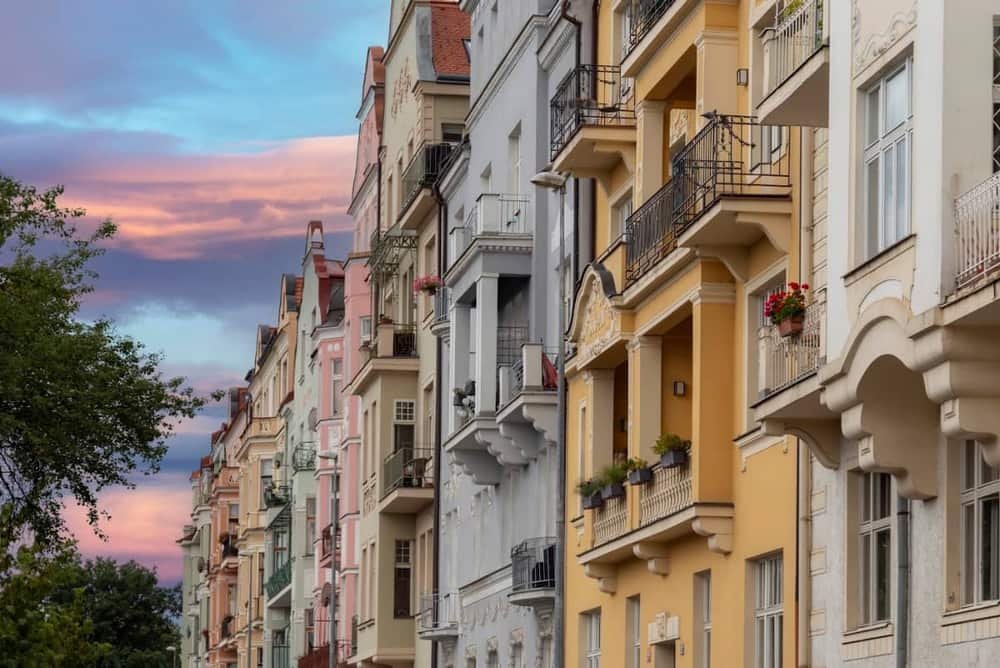
The royal vineyards of Charles IV, built over in the late nineteenth century as the bourgeois quarter of the growing city — long straight streets of neo-Renaissance and Art Nouveau apartment houses, plane trees, and squares that behave like village greens. Today it is the neighbourhood Prague residents and long-term foreigners name first when asked where they would live, and the answer this site gives most often to the question of where a second-time visitor should stay.
What is here
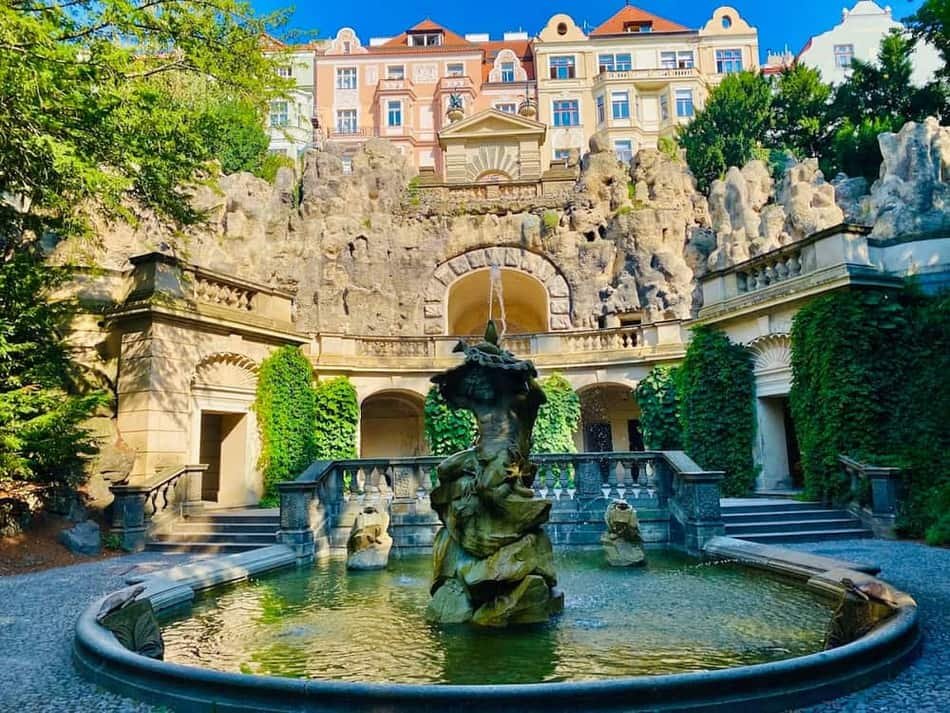
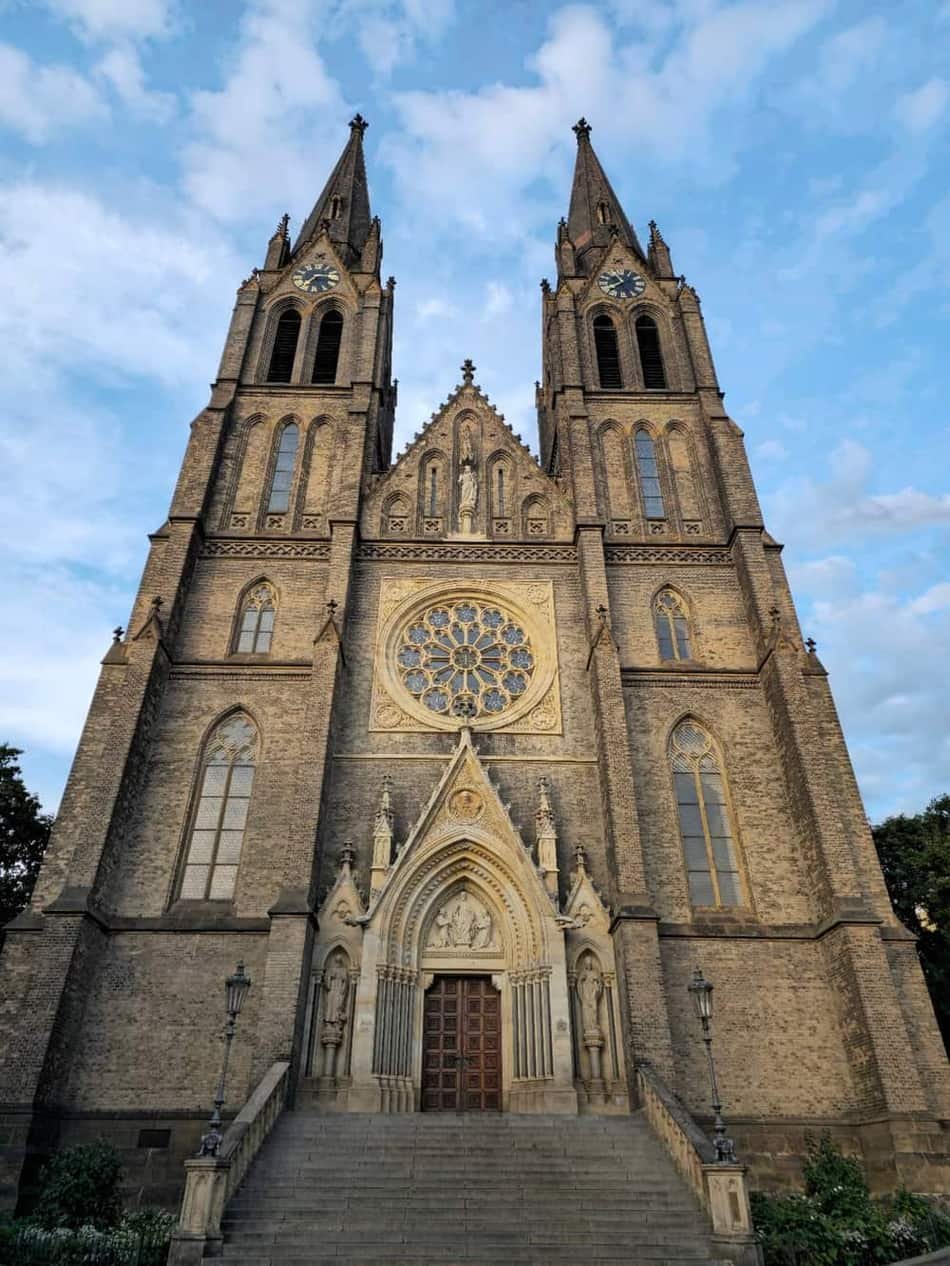
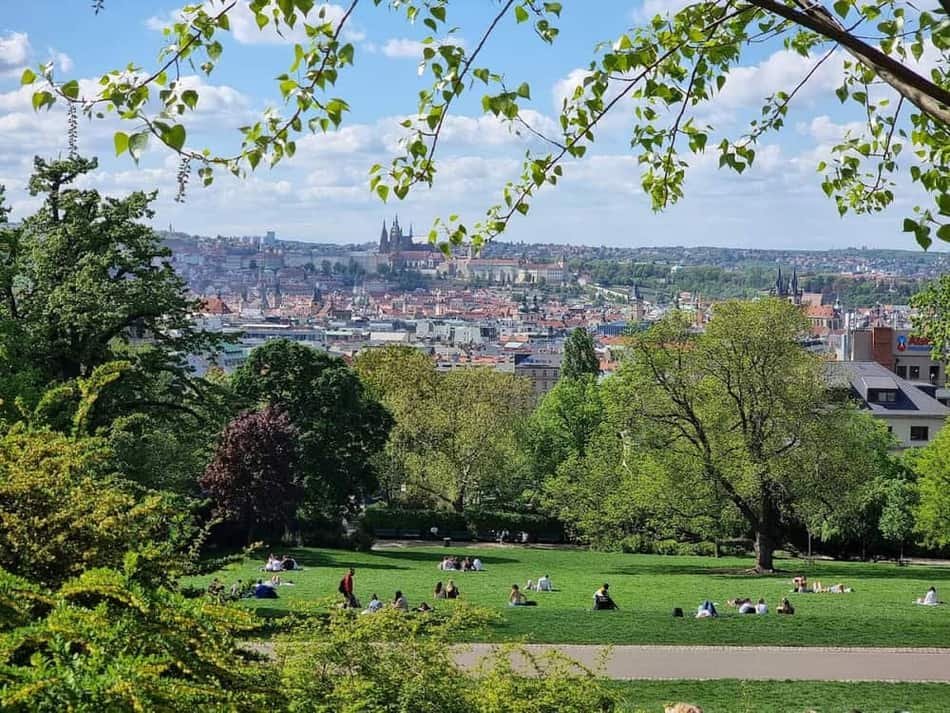
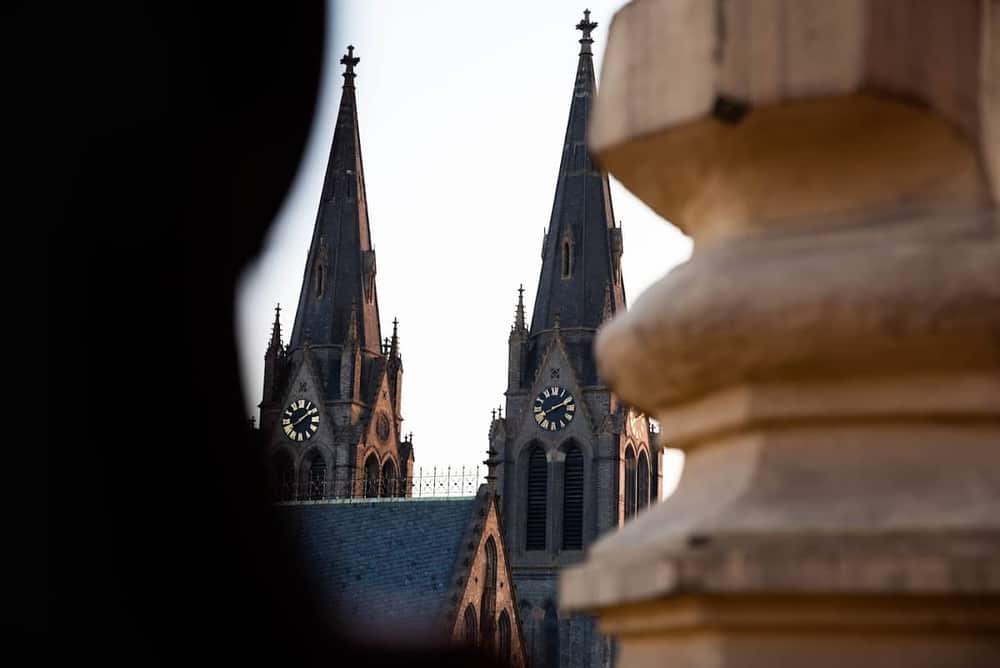
Náměstí Míru, with the neo-Gothic twin-spired church of St Ludmila. Jiřího z Poděbrad square — locals say Jiřák — with Jože Plečnik's Church of the Sacred Heart of 1932, one of the great European churches of the twentieth century and unlike anything else in the city, plus a farmers' market that runs most of the week. Riegrovy sady, the sloping park whose lawn fills at sunset with people watching the Castle across the valley — with a classic beer garden behind it. Havlíčkovy sady, where a working vineyard survives on the slope and the Grébovka gazebo pours its wine. And Vinohradský pivovar, the neighbourhood's own revived brewery.
What it is like
Residential Prague at its most pleasant: cafés and bistros at a density the centre cannot match, dinner without a reservation battle, streets that are calm by eleven. The bar scene around Vinohradská and toward the border with Žižkov includes the core of Prague's gay nightlife. There are almost no sights in the guidebook sense, which is exactly why the people who fill the terraces are locals.
Practical
Metro line A stops three times here — Náměstí Míru, Jiřího z Poděbrad, Flora — and trams cover the rest; Wenceslas Square is about ten minutes away. Rooms and apartments cost less than the Old Town and give you noticeably more space, though the gap has been closing. The one trade-off is honest: you commute a few minutes to every sight, and you come home to a neighbourhood instead of a stage set.
🏛️ Attractions
See all →Free entry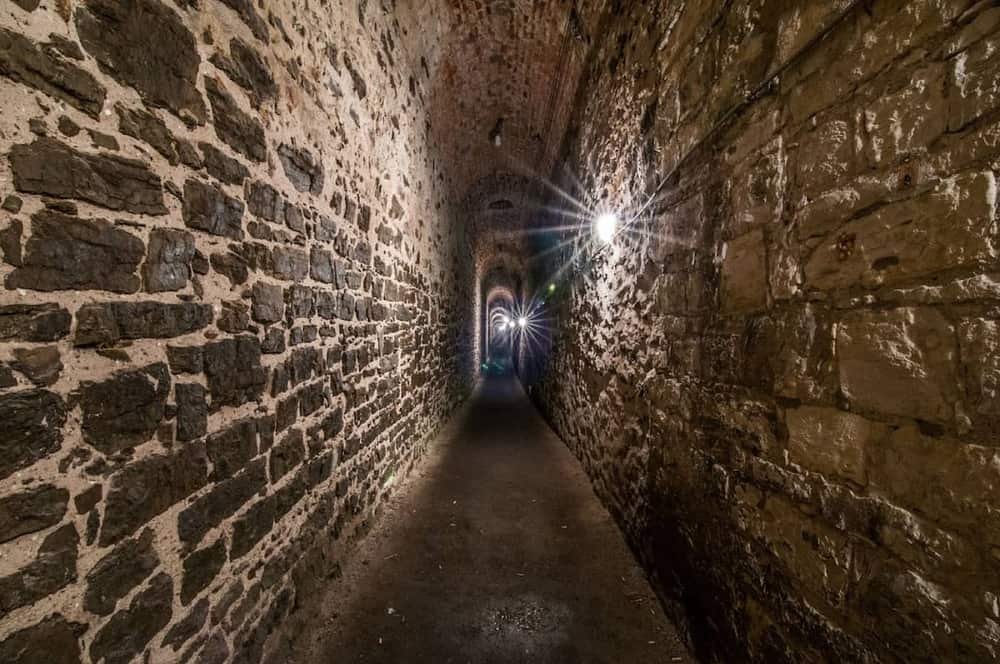
🍺 Beer halls & pubs
See all →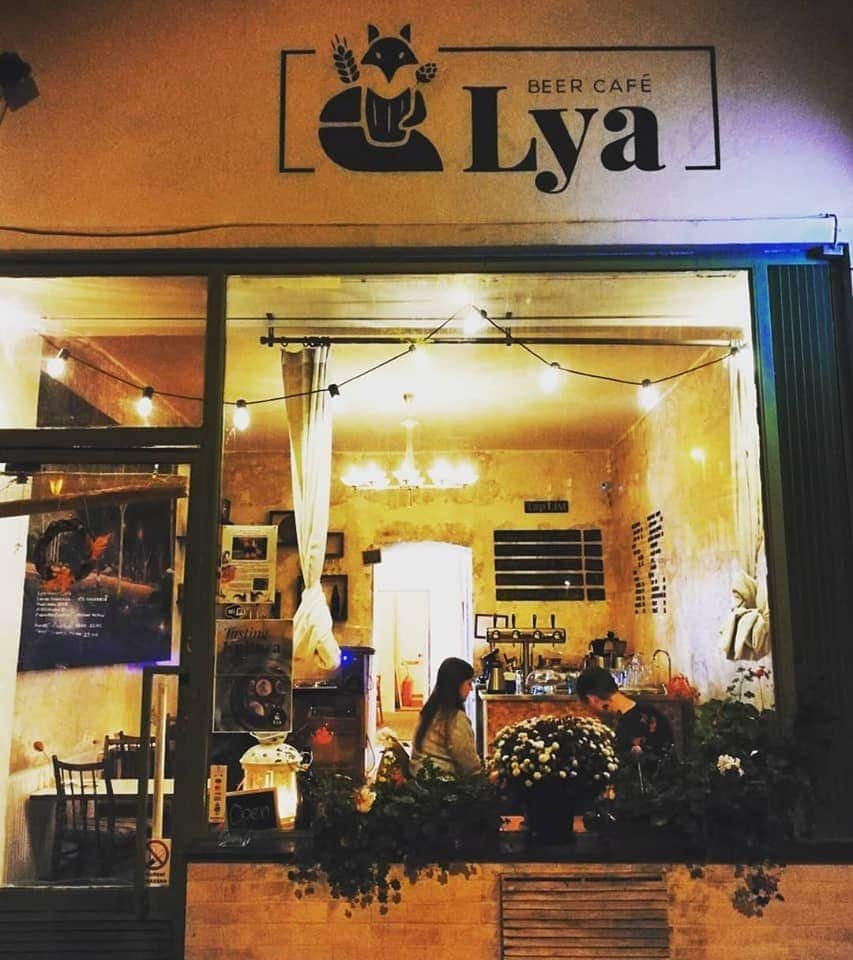
🍽️ Restaurants
See all →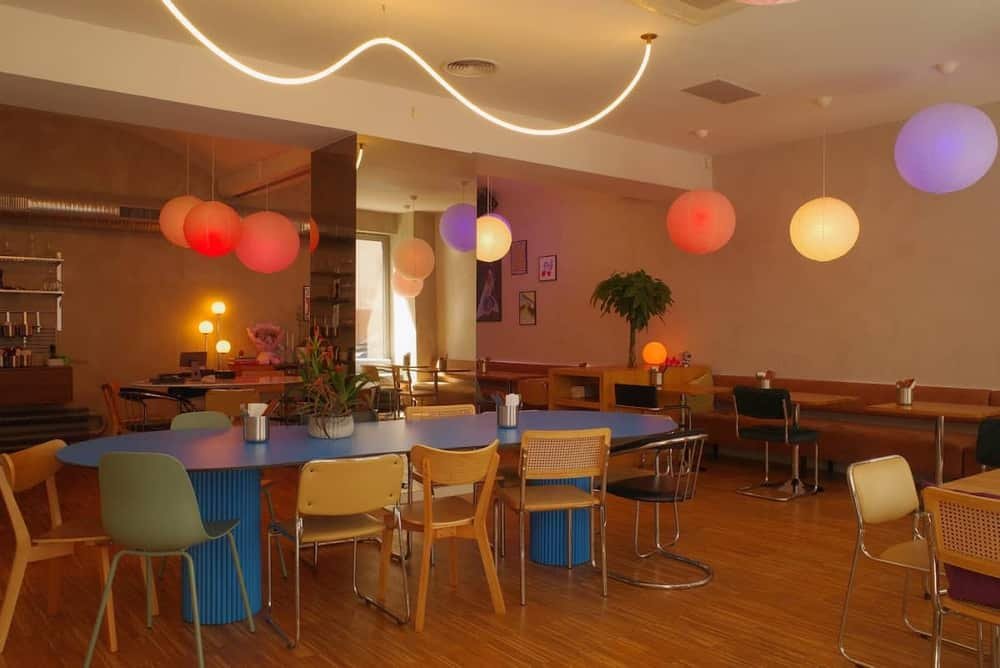
☕ Grand cafés
See all →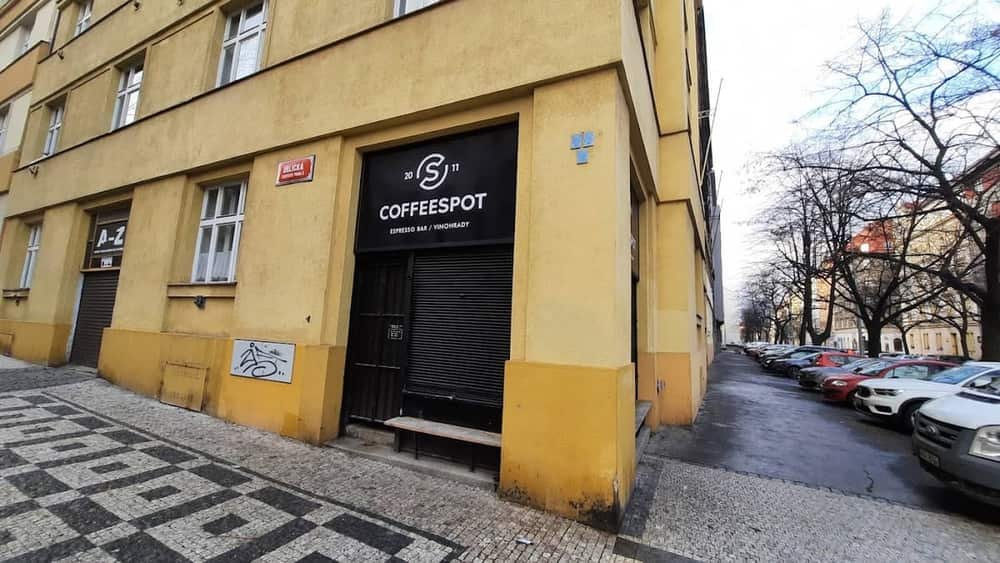
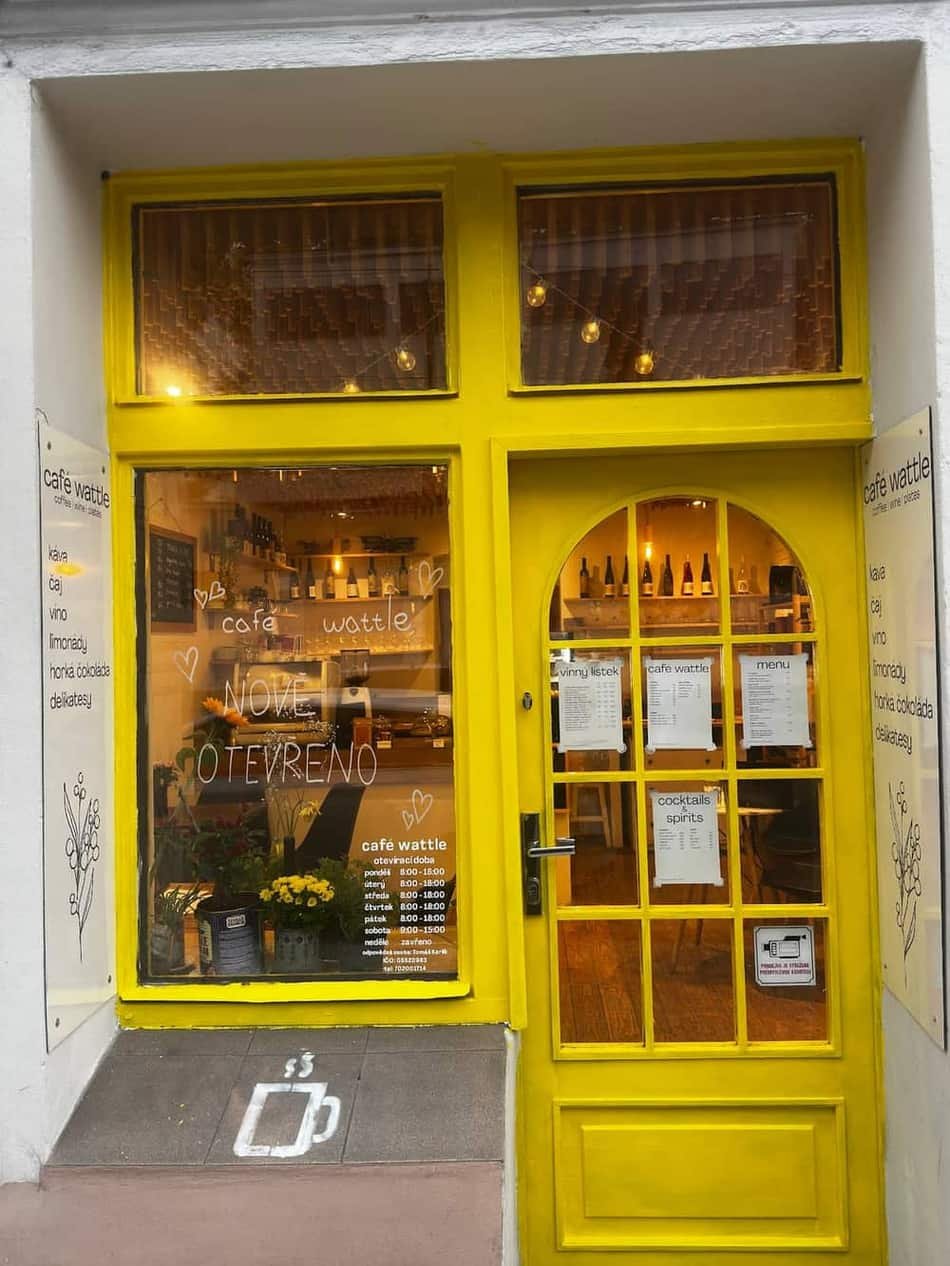
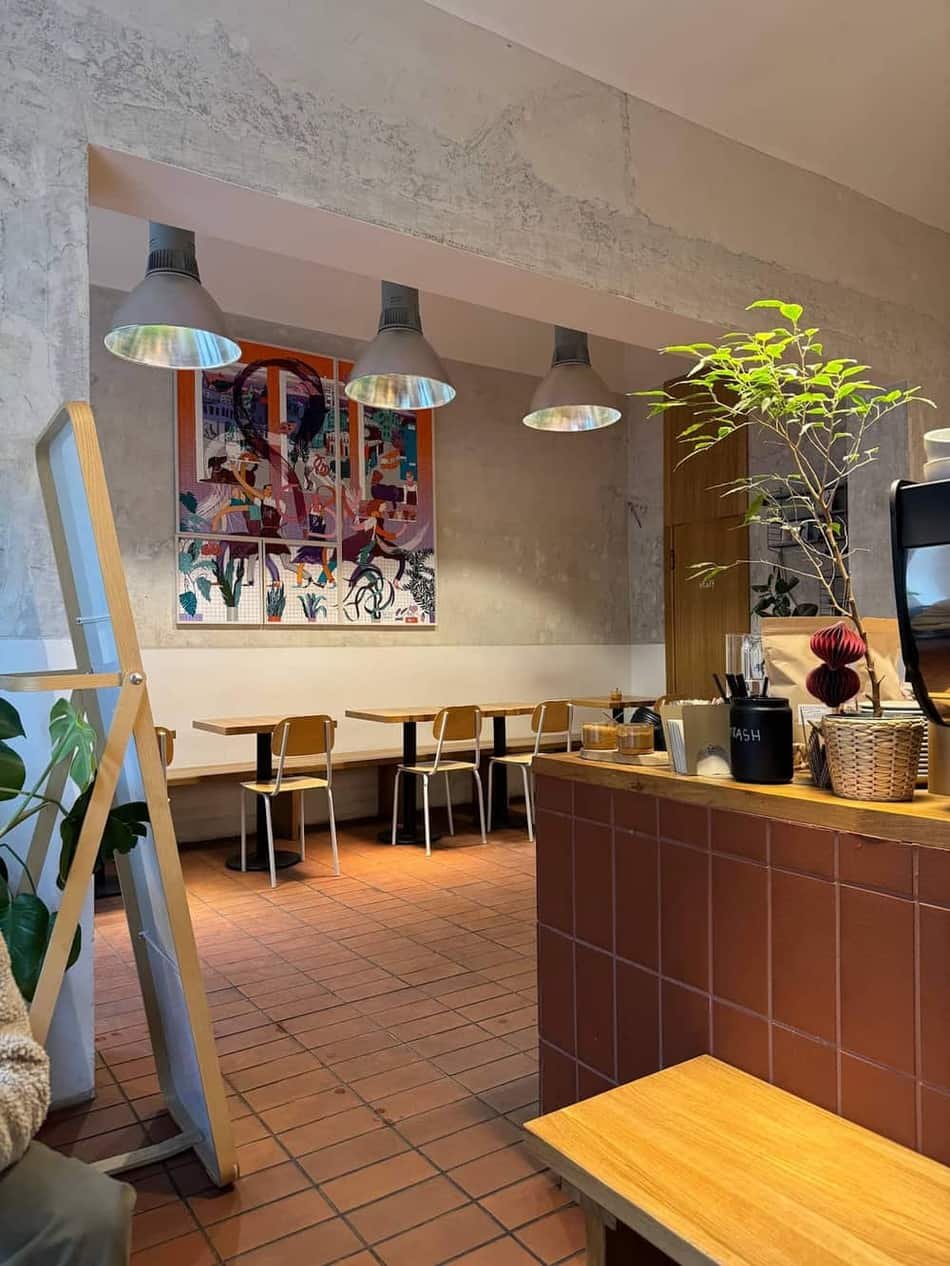
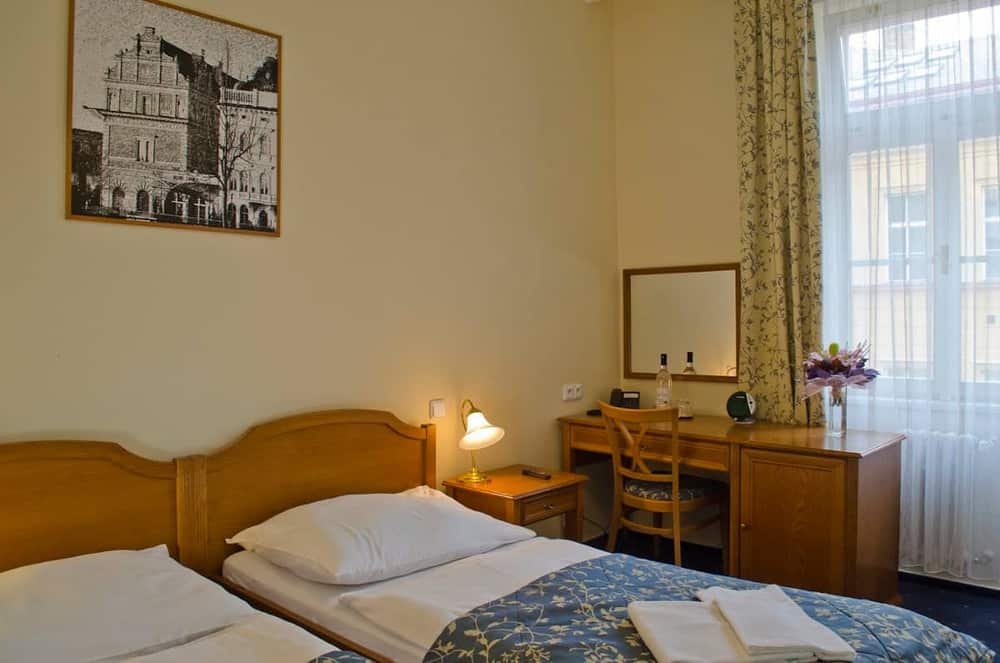
🛏️ Where to stay
See all →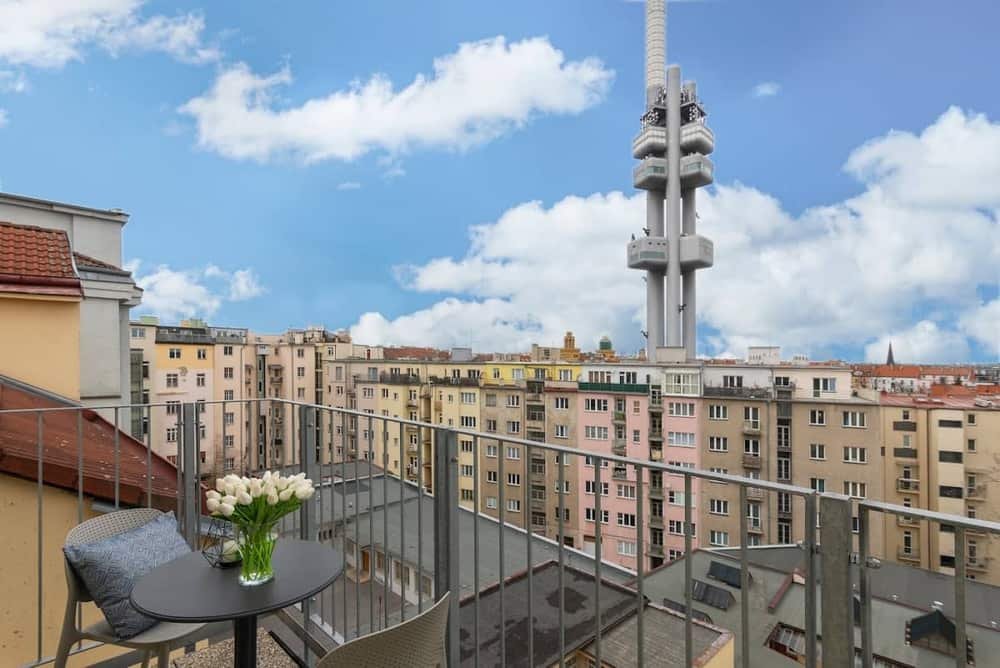
4.9(433)out of 5 on Google
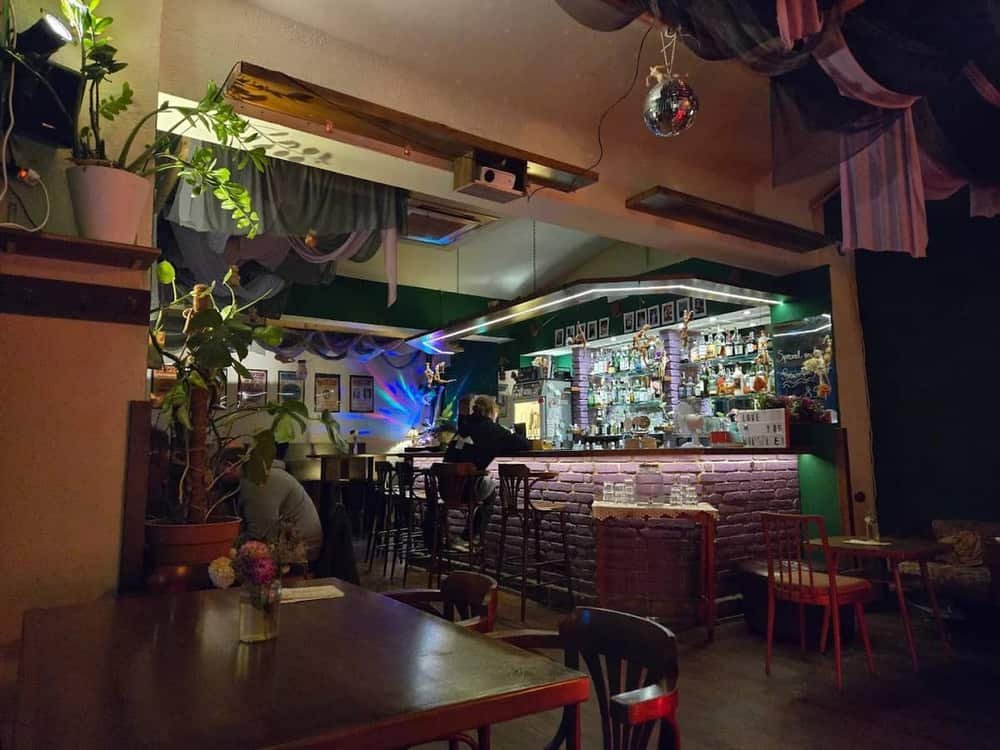
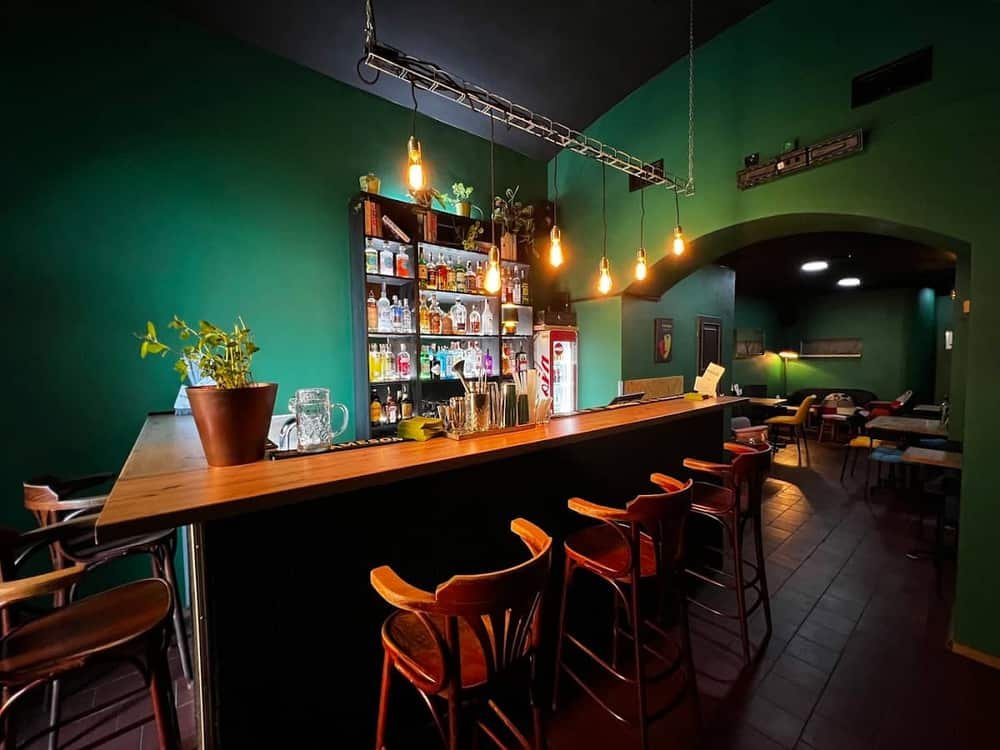
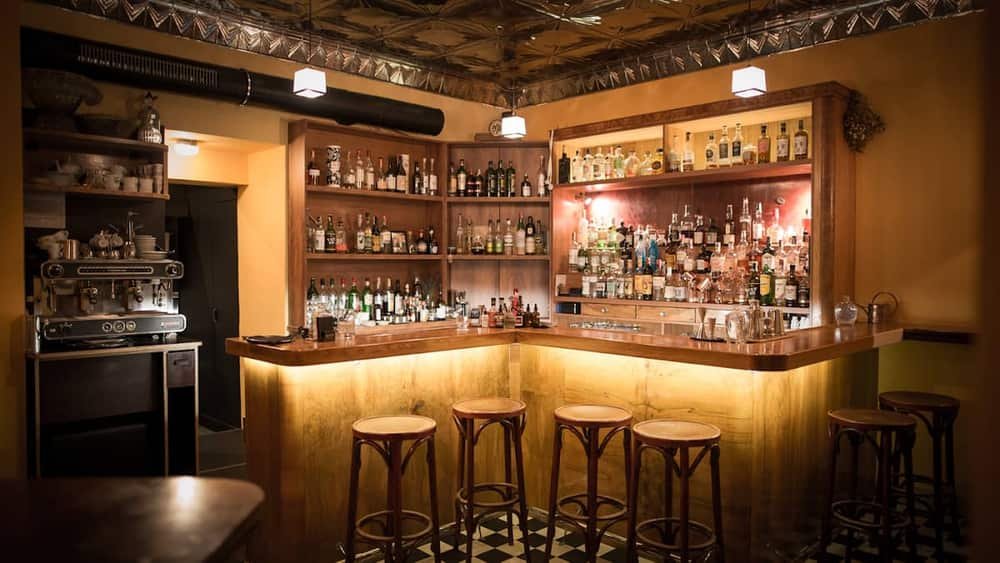
🍸 Cocktail bars & nightlife
See all →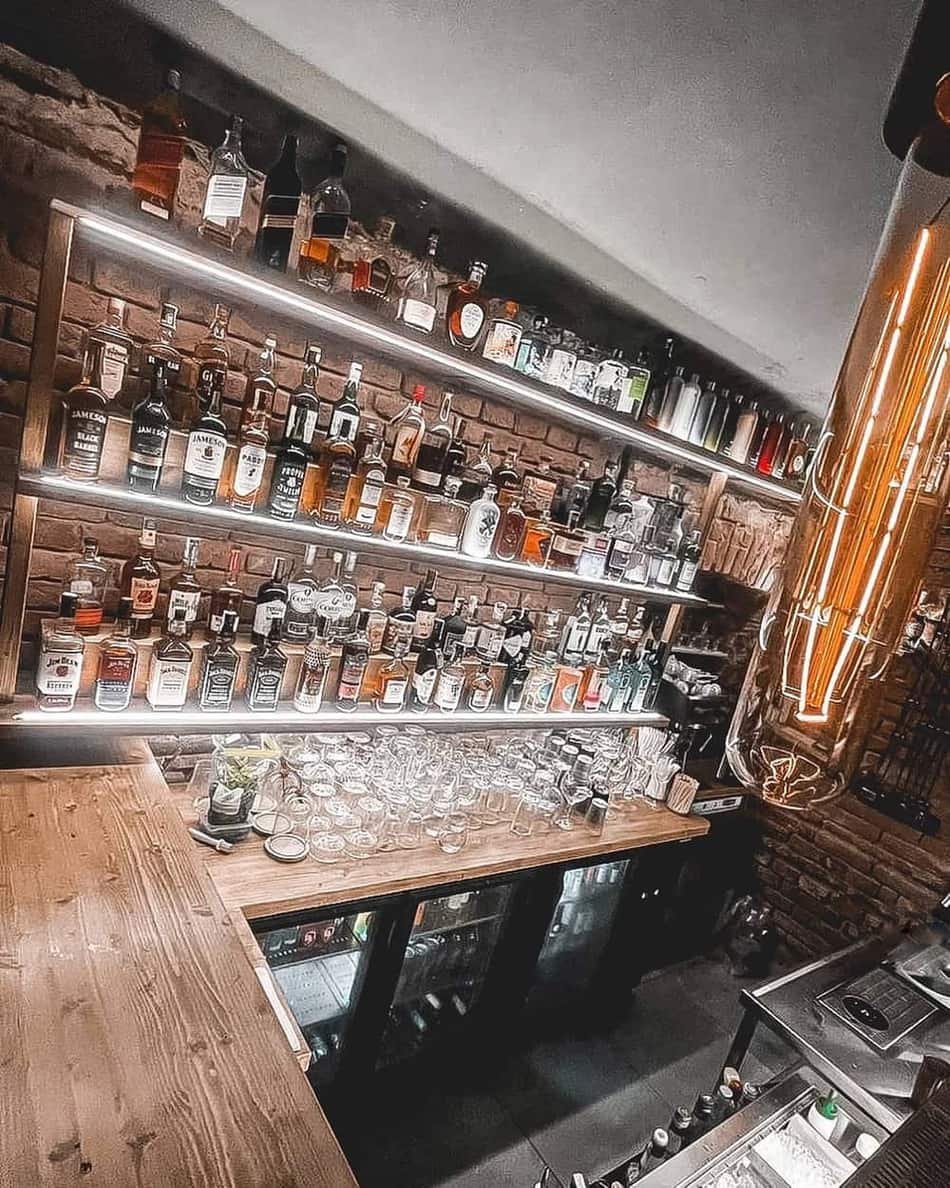
Where to stay in Vinohrady
Live prices and availability on a map centred on this exact spot — hotels, apartments and hostels, so you can judge the walk from here rather than guess from an address.
Bookings made through this map earn us a commission. Your price is unaffected.
Frequently asked
Which district of Prague is Vinohrady in?
Vinohrady is in Praha 2/3, on the Old Town side, east of the Vltava. It is easy to verify from the postcode: the four digits start with 1 and the next two give the district, so any address here begins 120. That is the quickest way to find out where a listing actually is before you book it.
What is worth seeing in Vinohrady?
The best-known sights here are Grébovka (Havlíčkovy sady), Vyšehradské casemates and Bazilika sv. Ludmily. The full list, with opening hours and a map, is further up this page.
Where should I eat in Vinohrady?
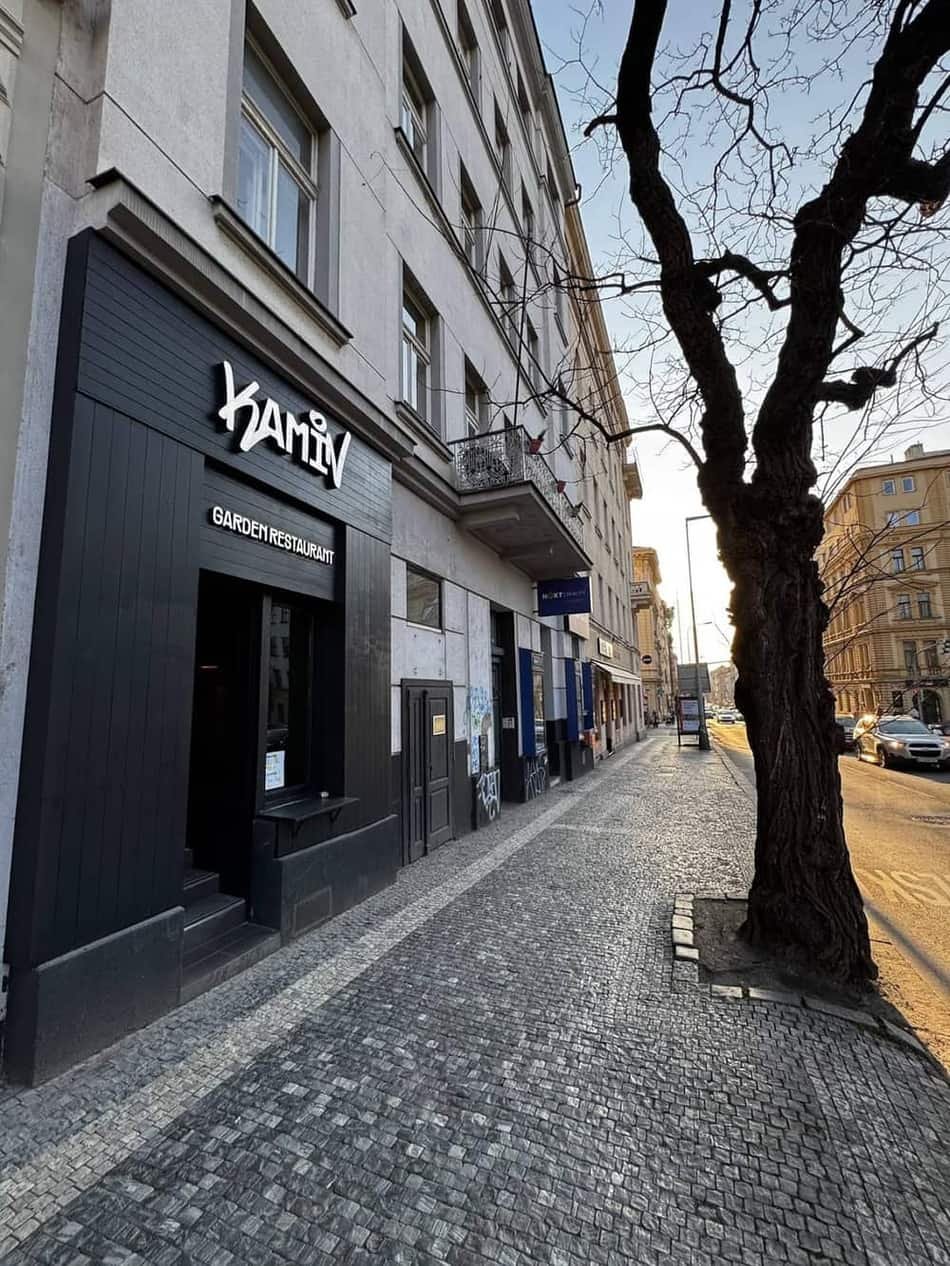
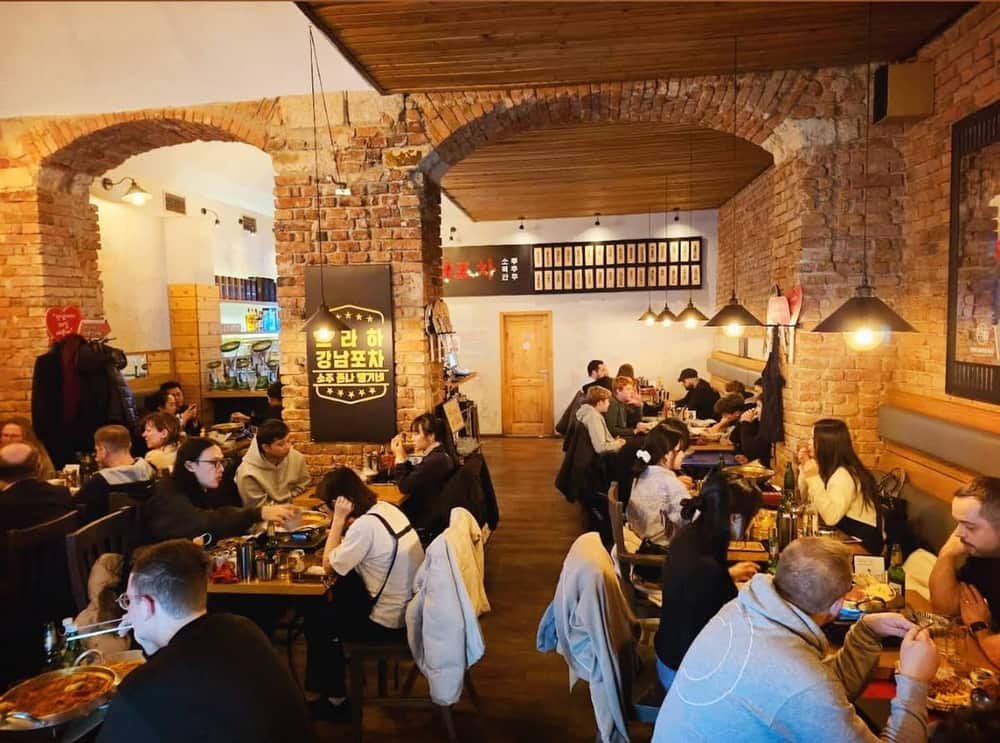
Among the best-rated restaurants in the district are Mamam Bistro, Restaurace KAMIN and Apelace21. The ratings come from Google and are refreshed periodically — they are not paid placements.
Is Vinohrady a good area to stay in?
It depends what you want from it. The accommodation section above lists several options in the district, and the write-up at the top of this page says plainly who the area suits and who it does not. The map at the foot of the page is centred on Vinohrady itself.
Are there good beer halls in Vinohrady?
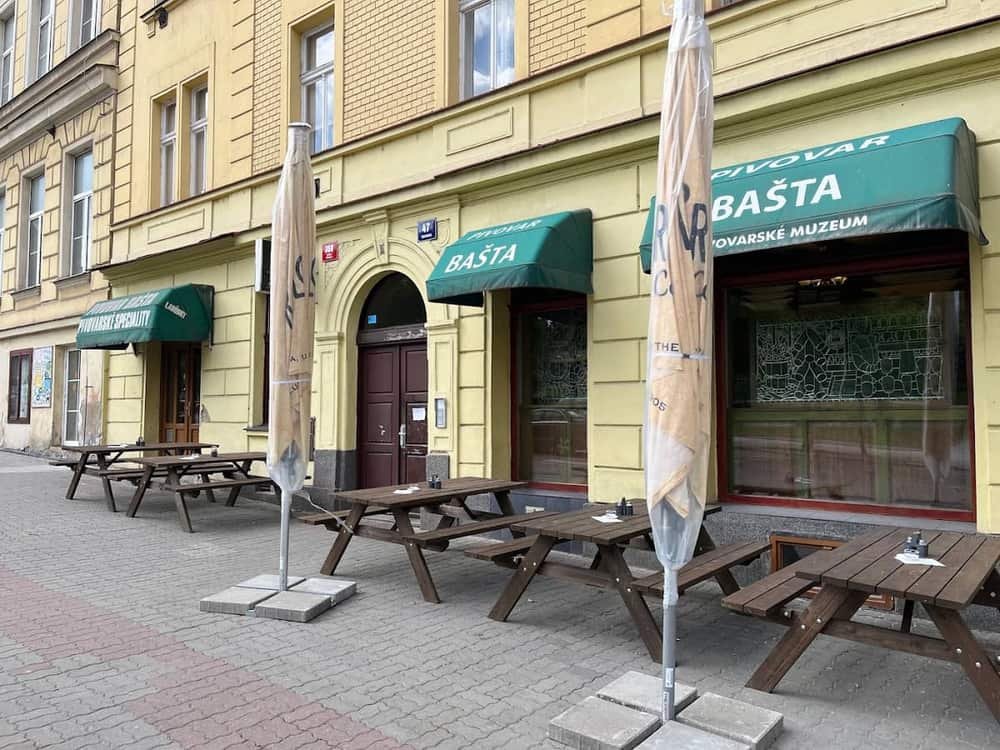
Yes — Lya Beer Café and Bašta neighborhood brewery. The neighbourhood pub is an institution in Prague, and the good ones announce themselves with tank beer and tables full of locals.
Does Vinohrady have any nightlife?
Yes, though not at the intensity of the Old Town. Reference points in the district include Urban Cocktail & Coffee Bar, The Cabin and Bar GINGER.
Districts next door
Prague is compact and its districts run into one another — these are the closest, by walking distance from the centre of this one.