
Guides
Where to stay in Prague: an honest guide to the districts
Tony Denesa – Travel Advisor11 min read
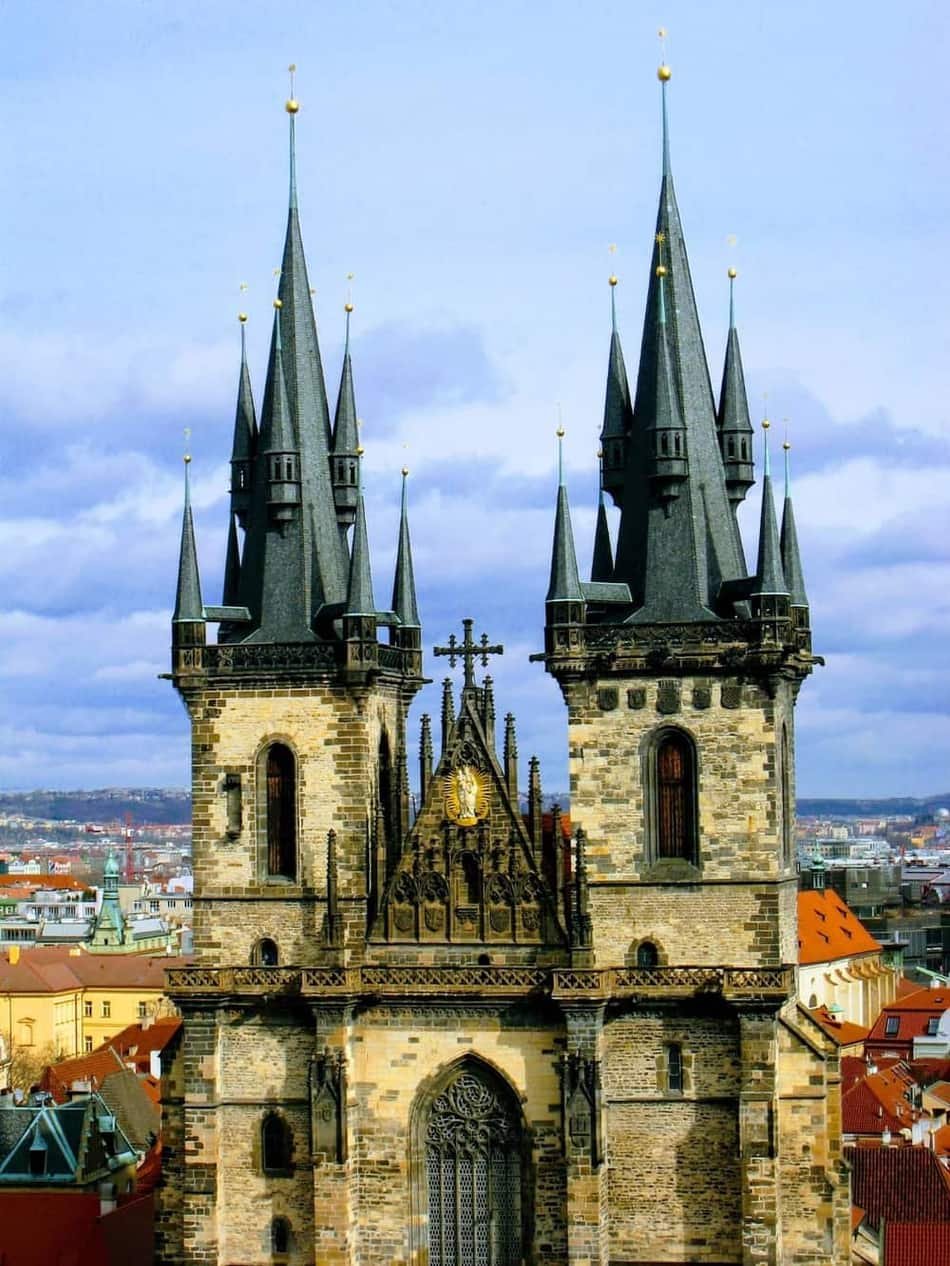
Prague is a compact city with a clear geography, and once you understand it the accommodation question mostly answers itself. The Vltava splits the city: the Castle side on the left bank (Malá Strana, Hradčany, Smíchov) is hilly, scenic and quieter; the Old Town side on the right bank holds the Old Town itself, the New Town and the residential districts — Vinohrady, Žižkov, Karlín — where the city actually lives.
Nearly everything a first-time visitor wants to see fits inside a forty-minute walk. That is the good news. The bad news is that the same square kilometre also holds the city's stag-party circuit, and the difference between a good trip and a sleepless one is often two streets.
What "Prague 1" on a listing does and does not mean
Listings lean hard on the phrase Prague 1, and it is worth decoding before you pay for it.
Praha 1 is an administrative district, not an address. It covers the Old Town, Josefov, Malá Strana, Hradčany and a slice of the New Town — several square kilometres of very different streets. A Prague 1 listing can be thirty metres from the Astronomical Clock, above a club on Dlouhá that empties at four in the morning, or on a silent Hradčany lane fifteen minutes uphill from everything.
So "Prague 1" tells you the property is central-ish. It does not tell you whether you will sleep, whether you will climb a hill with your luggage, or whether your window faces a bar. For that you need the neighbourhood name and the street — which is exactly what this guide is organised around. The same logic applies to Praha 2 (Vinohrady, Vyšehrad, part of the New Town) and beyond: the number is the district, the name is the information.
Old Town (Staré Město) — beautiful, and pick your street carefully
The medieval core is the postcard: Old Town Square, the Týn Church, the lanes running down to Charles Bridge. Staying here means walking out of your door into the middle of it, and for a two-night trip that convenience is real.
The catch is noise, and it is concentrated. The blocks around Dlouhá and V Kolkovně — home to Roxy and a dense strip of bars — and the riverside corner by Karlovy Lázně, next to Charles Bridge, run loud until three or four every night in season, and the noise is street noise: groups, not music. Prague is a cheap-flight stag destination and this is where the stags go. A courtyard-facing room in the quieter southern half of the Old Town, towards Betlémské náměstí, is a different city.
It suits short trips and first visits, if you check the street before booking. Browse the Old Town in detail.
Malá Strana — the romantic answer
Across the river under the Castle, Malá Strana is baroque palaces, embassies, Kampa Island and small squares that empty beautifully in the evening. It is the prettiest district in the city and by some distance the most peaceful central one after dark — the party circuit stays on the right bank.
It suits couples, second visits, and anyone who wants atmosphere over convenience. The catch is practical: it is hillier than it looks, restaurants skew touristy along the main drag (Mostecká), and every trip to the Old Town side means crossing a bridge — lovely at eight, less lovely with shopping bags. Metro A at Malostranská and the 12/15/20/22 trams cover most of it. See Malá Strana.
New Town (Nové Město) — practical, with one warning
The New Town — new in 1348 — wraps the Old Town in a crescent from the river at Náplavka up through Wenceslas Square to the main station. It has the best transport in the city, real supermarkets, and prices a notch below the Old Town for the same walking distances. Beer halls like U Fleků, brewing since 1499, are down here.
The warning is Wenceslas Square itself and the streets just off it — Ve Smečkách in particular — which carry the city's late-night strip-club economy and its associated noise. Book towards the river (around Národní třída or Náplavka) or towards Karlovo náměstí instead. Details on the New Town.
Vinohrady — where repeat visitors end up
East of the New Town and up a gentle hill, Vinohrady is the district people move to: Art Nouveau apartment blocks, plane-tree avenues, Riegrovy sady and its beer garden, the café scene around Jiřího z Poděbrad square and the Church of the Sacred Heart. Metro A gets you to the Old Town in under ten minutes.
It suits stays of three nights or more, food-and-coffee people, and anyone allergic to tourist crowds. The catch is simply that you commute — a short one, but you will not step out into the postcard.
Karlín — the modern-Prague option
North-east of the centre under Vítkov hill, Karlín was rebuilt after the 2002 flood into the city's most liveable quarter: wide streets, canteens and craft beer at Dva kohouti, and one of Prague's best restaurants in Eska. Metro B, two stops to the centre.
It suits longer stays, remote workers, and anyone who wants to see the Prague that is not in the brochure. The catch: no sights of its own, and hotel stock is thinner than in Vinohrady.
Smíchov — value on the left bank
South of Malá Strana, Smíchov is a working district around the Anděl transport hub — metro B, a dozen tram lines, malls, multiplexes. Café Savoy anchors its polished northern edge, ten minutes' walk from Kampa. Hotel prices here routinely undercut the centre by a third for the same quality.
It suits budget-conscious travellers and families. The catch: the district is mid-transformation, with construction around the station, and the southern end is far from charming.
What to do with all this
Decide what kind of trip it is first. Two nights, first visit: Old Town or New Town, on a checked street. Romance: Malá Strana. Three-plus nights: Vinohrady or Karlín and you will eat and sleep better for less. Then — always — put the actual address into a map and look at what is on the ground floor.
For how the districts connect, see getting around Prague; for what things cost, prices.
Where to stay nearby
Live prices and availability on a map centred on this exact spot — hotels, apartments and hostels, so you can judge the walk from here rather than guess from an address.
Bookings made through this map earn us a commission. Your price is unaffected.