
Guides
Prague Christmas markets: which one is worth your evening
Tony Denesa – Travel Advisor9 min read
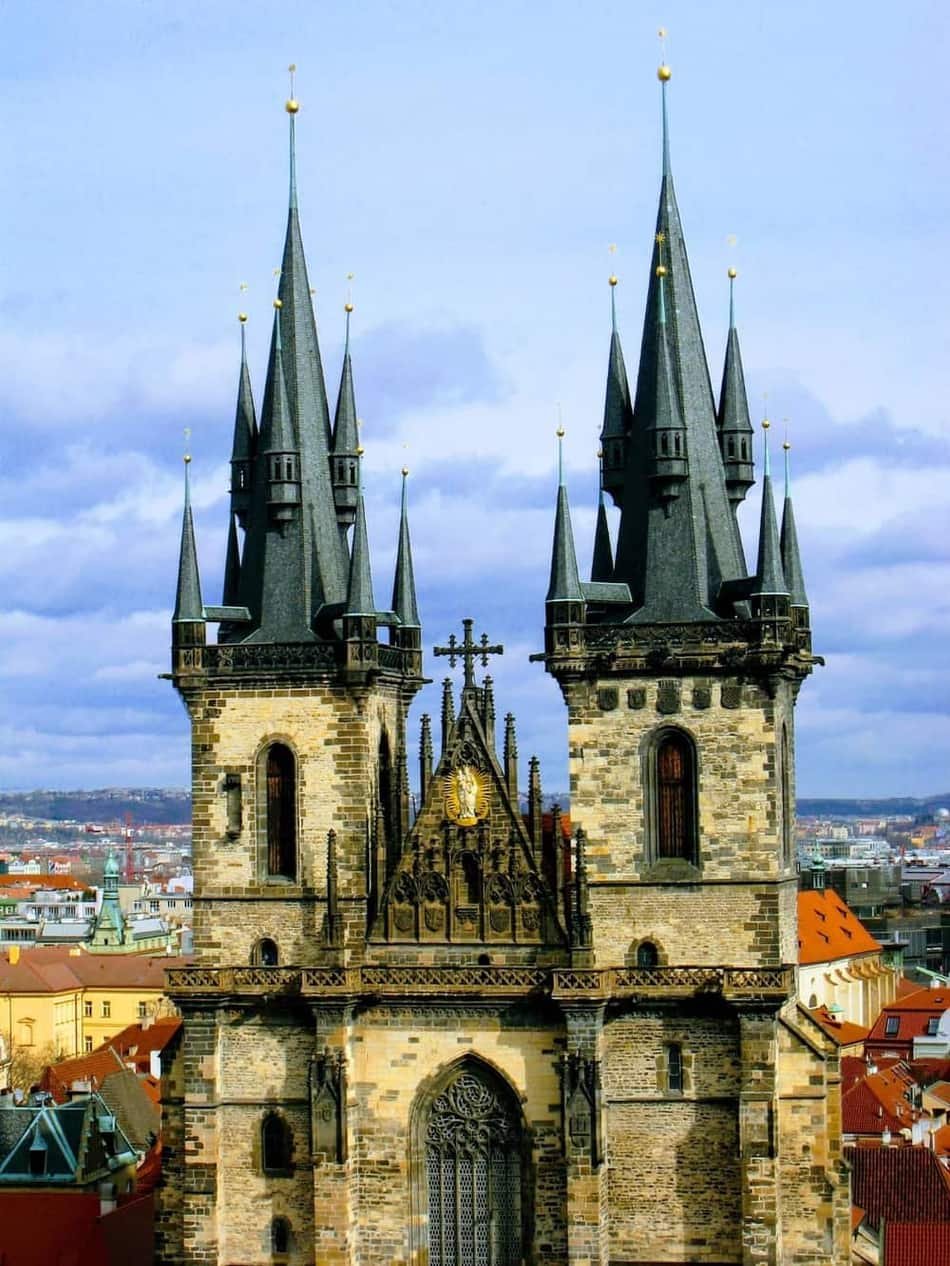
Prague does Christmas better than almost any city in Europe, and it knows it. The markets are beautiful, the setting is extraordinary, and on a weekend evening in mid-December the Old Town Square is so full that moving from one stall to the next takes minutes. This guide is about getting the good version of all that — the lights, the smell of mulled wine in the cold, the tree under the Gothic towers — without spending the evening in a crush paying tourist prices.
The short answer: do the Old Town Square early, walk on to Wenceslas Square, and give one evening to a neighbourhood market in Vinohrady. The full picture, with the season's live status, is on the Christmas markets page.
When the season runs
The markets usually open around the last weekend of November, when the tree on the Old Town Square is lit, and the two main ones run into the first week of January — the Old Town Square market traditionally stays up until around Epiphany on 6 January. Exact dates are set by the organisers each autumn, so treat any date you read before October as a pattern rather than a promise, and confirm before booking travel around it.
The quietest stretch is the first week of December on weekdays. The busiest is the weekend before Christmas and the days between Christmas and New Year, when hotel prices peak as well.
The Old Town Square: the one on the postcards
The headline market fills the square with wooden stalls in rows, a stage for choirs and a tall tree set against the twin spires of the Church of Our Lady before Týn. Every hour the crowd turns to watch the astronomical clock on the Old Town Hall — a minute of small moving figures that is more famous than it is spectacular.
Two things are true at once here. It is genuinely one of the most beautiful Christmas settings in Europe. And it is priced for visitors: food and drink cost noticeably more than a few streets away, and the ham stalls in particular are where people get unpleasant surprises at the till.
How to do it well: arrive just after dark on a weekday, walk the rows once, buy a mulled wine, look up at the towers, and leave before the evening crowd peaks. Keep your phone and wallet in front pockets — the square at the top of the hour is the pickpockets' best moment of the day.
Wenceslas Square: more room, less theatre
Ten minutes' walk south through Na Můstku, the lower part of Wenceslas Square hosts the second big market. It lacks the Gothic backdrop, and it makes up for that with space. The crowd is thinner, the queues are shorter, and it is a far easier place to stand still with a hot drink or to manage children and pushchairs.
It is also the natural continuation of an Old Town Square evening. Walk up the square afterwards towards the National Museum, lit at the top of the slope.
The neighbourhood markets locals use
The markets that feel most like Prague rather than a production of it are smaller and one tram ride out.
- Jiřího z Poděbrad in Vinohrady sets up in front of the modernist Church of the Sacred Heart — one of the most remarkable twentieth-century churches in the country. Farm food, local makers and prices meant for neighbours.
- Náměstí Míru, a few stops away, puts its stalls in front of the neo-Gothic St. Ludmila's.
- Kampa in Malá Strana has a small, quiet market by the river, and the walk there across Charles Bridge at dusk is half the point.
None of these is a destination on its own. All of them are pleasanter than the Old Town Square on a Saturday night.
What to eat and drink
- Svařák — mulled wine, red or white. Most stalls serve it in a returnable mug with a deposit; keep the mug only if you want the souvenir you just paid for.
- Medovina — hot honey wine, sweeter and stronger than it tastes.
- Klobása — grilled sausage with mustard and bread, the honest choice.
- Pražská šunka — Prague ham carved off the bone and sold by weight. Ask the price per 100 grams *before* they cut, and watch the scale.
- Vánočka — braided Christmas bread with raisins and almonds, the real seasonal bake.
And the honest note: the trdelník, the sugared chimney cake turning over coals on every corner, is a recent import sold to visitors rather than a Czech Christmas tradition. It is warm and sweet; just don't expect locals in the queue.
Where to warm up
Two hours outside at zero degrees is the realistic limit, and the best part of a market evening is what comes next. A vaulted beer hall is exactly what the season is for: U Fleků is a few minutes from Wenceslas Square, Lokál is a short walk from the Old Town Square. For something quieter, the Art Nouveau Kavárna Obecní dům sits at the edge of the Old Town.
Days that change your plans
Czechs celebrate Christmas on the evening of 24 December, at home. From the afternoon of the 24th most shops and many restaurants close, and 25 and 26 December are public holidays too. The big central markets generally stay open through the holidays with shorter hours, but neighbourhood markets often close before Christmas. Mikuláš, on the evening of 5 December, is worth planning around: Saint Nicholas, an angel and a devil walk the streets and squares handing out sweets — or coal — to children.
Where to stay
For a market trip, staying within walking distance of the Old Town Square is worth more than usual, because you will go out, come back to warm up, and go out again. The New Town is the practical choice; the Old Town is the atmospheric and noisier one. The where to stay guide compares them properly. Book early: December weekends fill.
Where to stay nearby
Live prices and availability on a map centred on this exact spot — hotels, apartments and hostels, so you can judge the walk from here rather than guess from an address.
Bookings made through this map earn us a commission. Your price is unaffected.