
Guides
Is Prague expensive? What things really cost in 2026
Tony Denesa – Travel Advisor9 min read
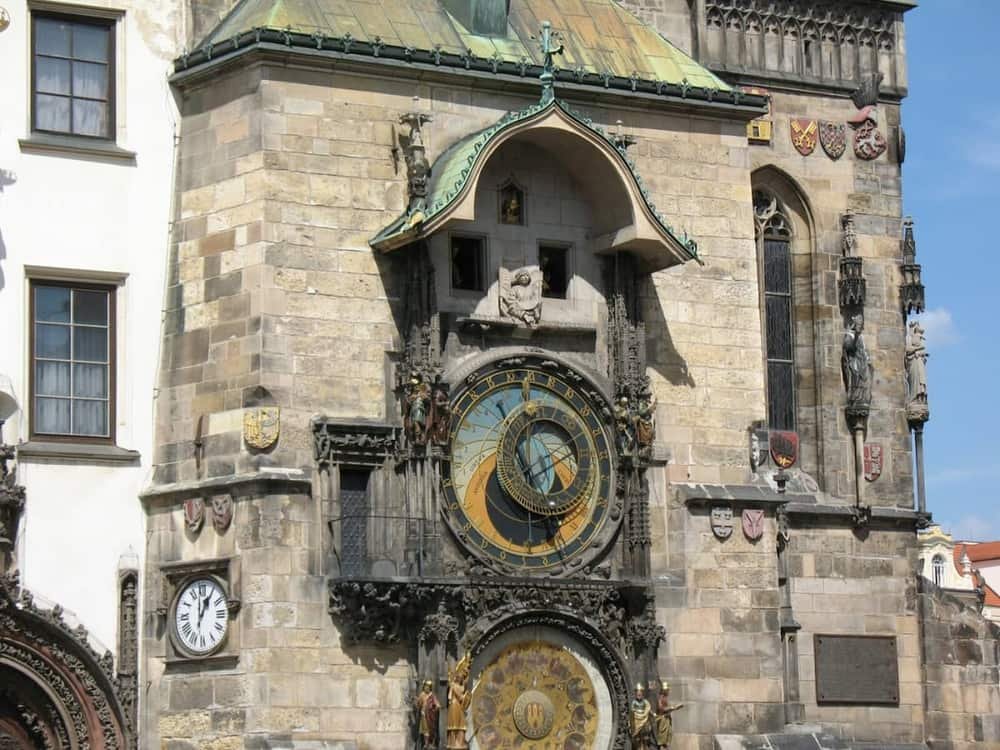
Prague has two price levels, and which one you pay depends almost entirely on where you are standing. Within sight of the Old Town Square, prices are pitched at people who will never come back; one street behind, or one tram stop out, they are pitched at people who live here. The gap is large enough that the same trip can cost a third more or less depending on a handful of habits.
The honest summary: Prague is no longer the bargain it was fifteen years ago, it is cheaper than Vienna, and it is still one of the best-value capitals in Western and Central Europe for food, beer and getting around. Every figure below was checked in September 2026; the full list with sources is on the prices page.
Where Prague is genuinely cheap
Public transport. The system is excellent and cheap. A 24-hour ticket was 140 Kč in the PID Lítačka app (150 Kč on paper), and a 72-hour ticket 340 Kč (350 Kč), when checked in September 2026 on the official PID price list. That covers the metro, trams, buses, ferries and even the Petřín funicular. Children under 15 ride free.
Beer. Czech lager in an ordinary pub remains one of Europe's great bargains, and it is better beer than most of what costs twice as much elsewhere. The beer halls page explains where to drink well.
A pub lunch. Look for the *polední menu*, the weekday lunch set: soup and a main course at a price that makes the tourist-square menus look absurd. As a benchmark from a well-known beer hall, Lokál listed beef goulash with dumplings at 219 Kč on its published menu when checked in September 2026 — and that is a central, popular place.
The best sights. Charles Bridge, the Castle courtyards, Vyšehrad, the parks and the riverbank are free. The free things guide fills whole days with them.
Where Prague is expensive
The Old Town Square terraces. Any restaurant or café with a view of the astronomical clock charges for the view. The food rarely justifies it.
Hotels in high season. May, September and December weekends push prices up sharply in the historic centre. Staying in Vinohrady, Karlín or the New Town often saves a large share of the bill for a ten-minute tram ride.
Museums add up. Individual tickets are not outrageous — the Jewish Museum adult ticket was 600 Kč when checked in September 2026 — but three or four a day mount up quickly.
The money traps
These are where visitors genuinely lose money, and none of them is about prices.
- Exchange offices on the tourist streets. The big sign advertises a rate you do not get when you sell your euros. Ask for the exact amount before handing anything over, or simply avoid them. Czech law lets you cancel an exchange at a bureau within three hours.
- Dynamic currency conversion. When a card machine or ATM offers to charge you in your own currency, decline. Always pay in koruna.
- Unasked extras. A welcome shot, a bread basket or a cover charge you did not order can appear on the bill in tourist-area restaurants. Refuse politely and read the bill.
- Street taxis. Book through an app instead.
The money essentials page covers these in detail.
Tipping and the bill
Service is not usually included, and around ten percent is normal in restaurants with table service; rounding up is fine for a couple of beers. Tell the waiter the total you want to pay rather than leaving coins on the table. In a traditional pub the waiter marks each beer on a slip on your table and you settle once at the end, which makes it easy to keep track of what an evening costs. The tipping page has the details.
A realistic daily budget
Rather than invent exact figures that go stale, here is how the spending splits:
- Tight: a hostel or a simple guesthouse outside the centre, a 72-hour transport ticket, a lunch menu, supermarket breakfasts, beer in neighbourhood pubs, free sights. Prague is very comfortable on this.
- Middle: a decent hotel in the New Town or Vinohrady, one or two paid sights a day, a proper dinner, a beer hall evening. This is where most visitors land.
- Comfortable: a design hotel or a room with a Castle view, tasting menus, cocktail bars, private transfers. Prague does this well and still costs less than the same trip in Vienna or Paris.
Five habits that cut the bill
- Eat lunch, not dinner, as your main meal — the lunch menus are the best value in the city.
- Walk one street back from any square before sitting down.
- Buy a 24- or 72-hour transport ticket rather than singles.
- Drink in a neighbourhood pub at least once — Žižkov is famous for them.
- Pay by card in koruna, and never change money on the street.
Where to stay nearby
Live prices and availability on a map centred on this exact spot — hotels, apartments and hostels, so you can judge the walk from here rather than guess from an address.
Bookings made through this map earn us a commission. Your price is unaffected.