
Guides
Is Prague safe? The real risks, and the scams worth knowing
Tony Denesa – Travel Advisor8 min read
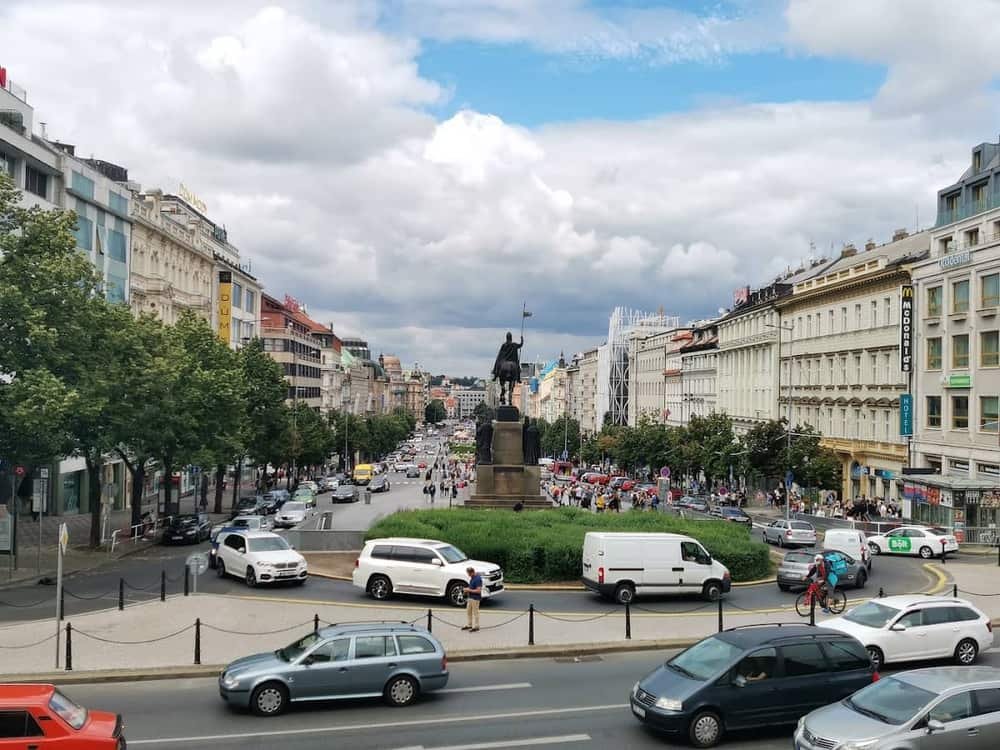
Prague is a very safe city. Violent crime against visitors is rare, the centre is busy until late, and walking back to your hotel through the Old Town after midnight is an ordinary thing to do. If you take one message from this guide, let it be that the risks here are small, specific and almost entirely about money — which means a few habits remove nearly all of them.
Pickpockets: where and when
Pickpocketing is the most common crime visitors meet, and it happens in a handful of predictable places:
- Tram 22, especially the stretch from Malá Strana up to the Castle, when it is packed with visitors.
- Charles Bridge from mid-morning, when the crowd moves slowly and people stop to take photos.
- The astronomical clock on the hour, when a hundred people look up at the same moment.
- Metro escalators and doors at the busy central stations, and the Christmas markets in December.
The defence is simple: phone and wallet in front pockets or a closed bag worn in front, and a little extra attention whenever a crowd suddenly compresses around you.
The exchange office scam
This is the trap that costs visitors the most, and it is entirely avoidable. Offices on the main tourist routes display large, attractive numbers and "0% commission". The number you notice is often the rate at which they *buy* from you under unusual conditions, or the rate for a different currency, while the rate you actually receive when you sell your euros is much worse — sometimes by a fifth or more.
How to avoid it:
- Pay by card in koruna wherever you can, which is almost everywhere.
- If you need cash, use an ATM that belongs to a bank, and decline any offer to be charged in your own currency.
- If you do use an exchange office, ask for the exact amount you will receive before handing over any money, and walk away if it is not written down.
- Czech law lets you cancel an exchange at a bureau within three hours for amounts up to the equivalent of €1,000. Keep the receipt and go back.
Never change money with someone on the street. The notes offered are frequently worthless or from another country.
Taxis
Hailing a taxi on the street in the tourist centre, or taking one waiting outside a nightclub, is the classic way to pay several times the normal fare. Use a ride app — Bolt, Uber or Liftago — or a pre-booked transfer, so the price is agreed before you get in. From the airport, the airport guide covers the honest options.
Bars, clubs and "free entry"
Anyone on the street offering to take you to a bar, a club or a party with free entry is a warning sign. The known problem is the bill: drinks at many times the menu price, particularly in some strip clubs around Wenceslas Square, with staff who make paying it feel like the only option. Choose venues yourself, check the price list before ordering, and pay as you go. The city's excellent cocktail bars and beer halls carry none of this risk.
Restaurant bills
Mostly an irritation rather than a scam. In restaurants on the tourist routes, check for a cover charge, bread or a "welcome" shot you did not order, and a service charge already added before you tip on top. Politely refusing the unasked extras is perfectly normal. The tipping page explains the local customs.
Street tricks
A few small ones: petition clipboards used to get close to your pockets, "free" bracelets tied onto your wrist and then charged for, and costume characters who expect payment for a photo. A firm no and walking on is all that is needed.
Drinking, drugs and the law
Drinking alcohol in public is restricted in parts of central Prague, and the city has been tightening the rules on late-night noise and organised pub crawls in the Old Town — take the party indoors after dark. Street offers of drugs are common near Wenceslas Square at night; they are illegal, frequently fake, and a reliable way to get robbed or fined. The so-called cannabis shops sell legal low-strength products and souvenirs, not what the signs suggest.
Night and neighbourhoods
The centre stays lively late and feels safe. The park in front of the main railway station is best walked straight through after dark. Some streets in the Old Town around Dlouhá are loud and messy with stag parties at weekends — more annoying than dangerous. Night trams run all night, and the getting around guide explains them.
If something goes wrong
- 112 is the emergency number for police, ambulance and fire, answered in English.
- Report a theft to the police, both for your insurance and for replacement documents; the police station at Jungmannovo náměstí near Wenceslas Square is used to dealing with visitors.
- Lost passport: contact your embassy, most of which are in Malá Strana.
- Lost items on public transport are handled by the transport company's lost and found.
The safety essentials page keeps a short version of all of this.
Where to stay nearby
Live prices and availability on a map centred on this exact spot — hotels, apartments and hostels, so you can judge the walk from here rather than guess from an address.
Bookings made through this map earn us a commission. Your price is unaffected.